Showing posts with label buying insurance. Show all posts

Friday, November 10, 2017

Safe Driving Tips During Deer Season

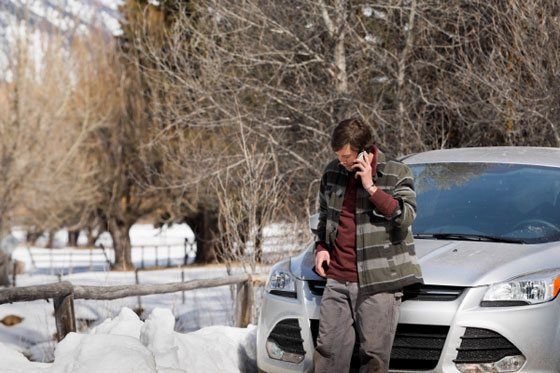
Drive safely to avoid deer accidents
With deer season upon us, your chances of hitting a deer are much higher during the fall and winter months. Stay safe while on the road with these tips from the University of North Carolina Highway Safety Research Center.

Be cautious while driving during dusk or dawn

Deer are most active during sunrise and sunset, especially during mating season, which is in full swing from October through December. Ensure that you and your passengers are wearing seat belts at all times, even in the back seat, just in case you have to make a sudden stop.

Pay attention to deer crossing signs

Be alert and observe your surroundings for any signs of wildlife while on the road. Deer are abundant in forested areas, but may wander into suburban neighborhoods in search of food, so it’s important to drive cautiously even if you’re no longer in a deer-crossing zone.

Stay alert if you spot a deer

Deer tend to travel in packs – so if you see one deer, slow down and proceed with caution. Even if you spot a deer on the side of the road or surrounding areas, remember that there could be others about to cross your path.

Take precautions when driving in the dark

Nighttime driving can put a strain on the eyes, so be safe by driving at a moderate speed. If there is no oncoming traffic, turn on your high beams: You’ll not only be able to see clearer, but you’ll have a greater chance of spotting a deer from a distance

Don’t swerve to avoid hitting a deer

Do not swerve to avoid a deer collision. By swerving you put yourself at risk for a worse collision with another vehicle or running off the road. Stay in your lane and try to slow down.

Get comprehensive coverage for your car

Did you know that physical damage to your car as a result of something other than a collision with another vehicle might not be covered by standard car insurance? With comprehensive car insurance, you will receive additional coverage and protection when the unexpected happens. For more information on common road hazards that can lead to accidents, head over to the Nationwide Learning Center.

Report the deer collision

If you’re involved in a deer accident, contact your local authorities and insurance company to file a claim.
Now that you know what steps to take to minimize deer accidents while on the road, be sure to check out our roadside emergency checklist for more helpful tips!

Friday, October 27, 2017

Halloween Safety Tips [Infographic]

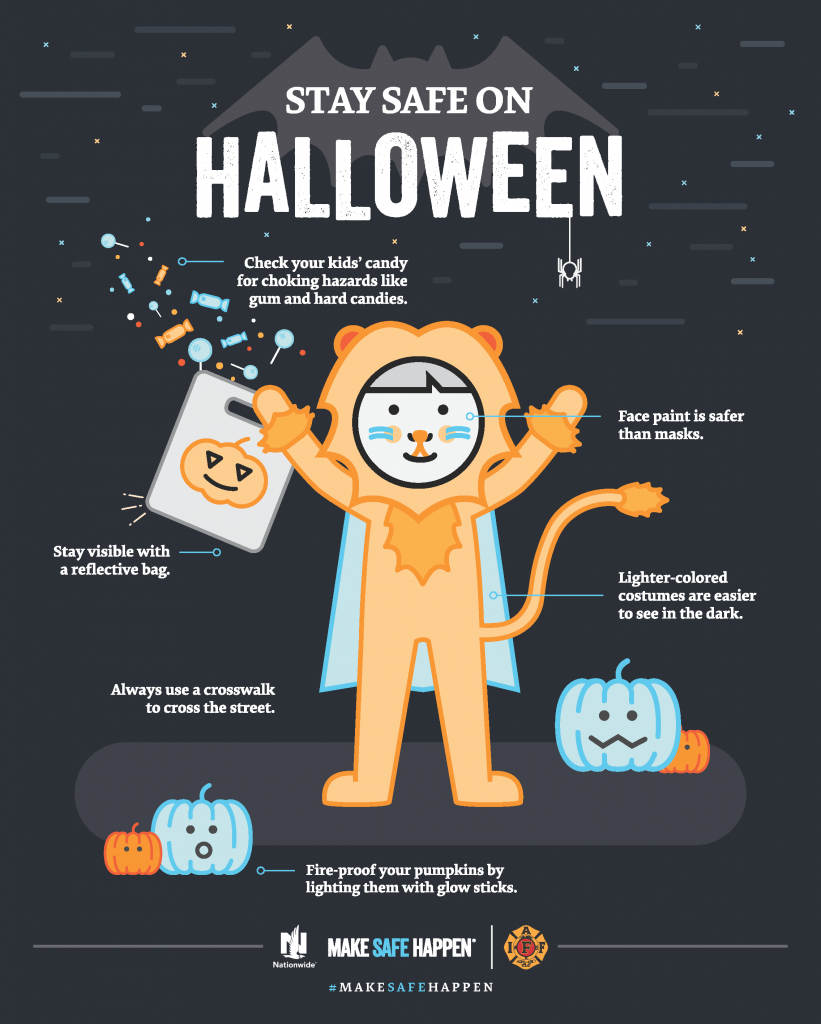
Halloween is a night of fun and fright, but it does require extra caution when it comes to keeping your little monsters safe. According to Safe Kids Worldwide, “on average, twice as many child pedestrians are killed while walking on Halloween compared to any other day of the year, and more than 70 percent of accidents occur away from an intersection or crosswalk.” Follow these Halloween safety tips to help avoid common accidents and dangers.
MSH Halloween Infographic NEW

Trick-or-treating safety tips

1. Provide adult supervision

Trick or treat is safer – not to mention more fun – in groups, and adult supervision is essential. So get together with other adults and make an evening of it. Bring cellphones for quick pictures and emergencies, but leave them in your pockets to avoid getting distracted.

2. Stay on the sidewalks

The thrill of the holiday often factors into accidents as excited kids rush from door to door. Keep children on the sidewalks, and shepherd them carefully when they need to cross the road. In areas without sidewalks, walk on the far edge of the road, facing traffic.

3. Carefully check candy

Check candy for choking hazards like gum and hard candies. Throw away any candy that is not sealed with a wrapper and avoid homemade treats received from strangers.

Costume safety tips

4. Choose bright, visible costumes

When selecting a costume, opt for the bright-colored outfits and add a touch of reflective tape to the material. Stick some reflective tape on their trick-or-treat bags as well so they can be easily spotted by motorists. Lastly, don’t forget to make sure they’re equipped with a flashlight or glow stick – must-have accessories for any costume.

5. Make sure costumes are well-fitted and safe

Being visible isn’t the only safety consideration for a costume. The right fit is just as important. Here’s some advice on keeping your child’s ensemble safe and secure:
  • Prevent accidental tripping or entanglement by making sure costumes aren’t too big or long
  • Avoid masks that block vision, but if your child wears one – it should have large eye, nose and mouth openings. You can also op for makeup or face paint as an alternative
  • Costumes, wigs and accessories should contain a label indicating they are flame resistant
  • Make sure accessories such as swords, canes, or sticks are not sharp or too long

6. Makeup safety

If makeup is a part of your child’s Halloween costume plans, make sure it is non-toxic and test it on a small area first. Before your child goes to bed, make sure to remove all makeup.

Home Safety Tips

7. Jack-o-lantern safety

Young children can paint or color their pumpkins instead of carving. Or have them draw a face with markers and an adult can do the carving. Use colorful glow sticks inside your Jack-o-lanterns instead of candles to prevent burns.

8. Home decoration safety

If you’re turning your home into a haunted house, keep safety in mind: make sure steps, sidewalks, porches and paths are well-lit and free of decorations and holiday props. Keep decorations away from fireplaces and candles.

9. Take precaution against pranks and vandalism

Unfortunately, vandalism often increases during Halloween. That’s why taking these precautions is a good idea:
  • If you’re going away during Halloween, make it seem like you’re still home by turning down the volume of your answering machine and phone, covering your garage windows, and leaving your curtains in normal positions with valuables out of sight.
  • Install outdoor lighting (activated by a photocell or movement) to illuminate the area around your home during Halloween.
  • Consider purchasing a security system that directly alerts police to intruders.
  • Trim shrubs and large trees before Halloween so trespassers have fewer hiding spots.
  • Make sure your homeowners insurance policy is up-to-date.

Car and driving safety tips

10. Use extra caution while driving

Drivers need to take particular care on this chaotic night. Keep your car parked if you can, but if you have to drive through a neighborhood, take it much slower than normal. Watch for kids who may dart between cars and into the road without looking. Read our Halloween Driving Safety Guide for more useful tips.

11. Protect your car

Cars are another common target of vandalism on Halloween. Here are some ways you can help secure your car:
  • Park inside if you can on Halloween. Your garage is your best bet. If you do not have a garage you may want to consider investing in some outdoor lighting for your driveway and yard.
  • Make sure your car is locked on Halloween. Oftentimes, vandals complete their missions with ease when doors are unlocked and windows are down/cracked.
  • Consider a car alarm.
  • Hide your valuables on Halloween. Don’t give thieves any extra incentive to break into your car.
For more safety tips and information on everything from bunk beds to bicycle helmets, please check out Make Safe Happenand the Make Safe Happen app for iPhone or Android.
Content developed in association with:
IAFFlogo-updated

Monday, August 14, 2017

What to Do When an Airline Loses Your Bag

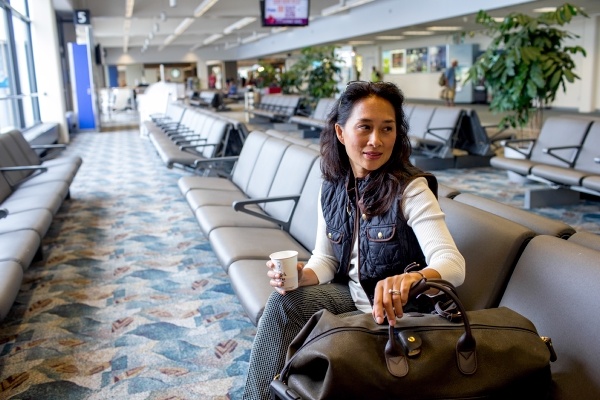
airline lost luggage
Lost luggage can send even the most level-headed air traveler into a frenzy. But keep your cool because you may be able to retrieve your belongings or even get reimbursed for your trouble.
Here’s what to do if your luggage goes missing at the airport:

Stay calm

Don’t panic if your luggage doesn’t show up right away because it’s probably not lost for good. Most likely it’s just delayed or is on a different flight, especially if you had to change flights. Your luggage should end up at your final destination, eventually.

File a claim

You should head to the claims office as soon as possible to file a lost luggage report. At the claims office, you will be asked to file a form detailing the contents of your luggage and the dollar value of each item. (You will only be reimbursed for the depreciated value of the missing items.) Under a directive from the Department of Transportation, domestic airlines are required to cover “all reasonable, actual and verifiable expenses related to baggage loss, damage or delay.”
Be prepared to present your case and possibly negotiate for more compensation on your lost luggage. You may also be able to get some money for items such as toiletries or a fresh change of clothes to hold you over until your luggage is returned.
Be sure not to leave the airport until you get all the information and documentation you need. Also, get the business card of a representative you can follow up with later.

Be patient

Don’t give up hope if your luggage isn’t returned immediately. It could be a few weeks or months before you and your bags are reunited. In the meantime, continue to check in with the airline about the status of your luggage. If you’re still dissatisfied, you can also file a complaint with the Department of Transportation.

Prevent future problems

The next time you fly, you can take some steps to prevent another lost-luggage mishap. First, get a travel insurance policy that covers lost luggage up to the value of your belongings. Second, never pack valuables, precious jewelry or pricey high-tech gadgets in checked baggage. In fact, it’s probably better not to bring them with you at all, even in carry-on bags. Not only do airlines advise against packing these items, but they won’t reimburse you for them if you file a claim seeking compensation.
Third, before you leave home, be sure to take pictures of your luggage and its contents. Slip a business card inside your bags to identify them as yours in case the outer name tags somehow get removed.
And if you can pack your gear small enough to fit into the carry-on bag your airline allows you to keep with you – check with the carrier first on maximum size – you’ll avoid the lost luggage problem altogether.

Tuesday, April 18, 2017

Landscaping Ideas on a Budget


6 Backyard Landscaping Ideas on a Budget


1

cheap backyard ideas
Low-budget landscaping needn’t be bare-bones. A little money and effort can create a big impact regardless of how much space you have.
Before starting your backyard renovation, have a design in mind. It’s easy to be wooed by beautiful blooms at nurseries. If you have a plan, you’re more likely to purchase the right plants and know where they should go. Here are some backyard landscaping ideas that can spruce up a yard on any budget.

1. Invest in soil

“Soil amendments and preparation – raking, tilling and grading – are the most important aspects of budget gardening,” says landscape architect Eric King. Plants grow better in improved soil, so you can start with smaller, cheaper plants rather than larger, more expensive ones.
To stretch your plant budget further, shop wholesale nurseries and end-of-blooming-season sales. Focus on perennials that can overwinter in your climate zone (so you don’t have the cost of planting each year) and that provide year-round interest through color or texture. You can add bright pops of color throughout the year with a few potted annuals.

2. Employ dimensional design

Even budget-friendly backyard landscaping ideas should include plants of various heights and textures for visual depth. Designing vertically, for instance, makes a small space seem larger and more interesting, so you get more style and function for your money. Ensure plants aren’t all one height, though.

3. Pick low-maintenance foliage

Include bushes and ornamental trees in your landscape design, too. These options add interest for decades, without the need to replant, thus saving money long-term. Slow-growing Japanese maples, for instance, add height, color and, in winter, architectural interest. Ornamental grasses add low-maintenance texture and eliminate the need to replant seasonally with flowers. Non-woody vines, like jasmine on fences or walls, add dimension and draw the eye upward. Woody vines like honeysuckle and bougainvillea, in contrast, are best suited for pergolas and other well-ventilated structures, because they trap moisture beneath their leaves, which contributes to wood rot. Vines can quickly fill in barren areas, providing extensive coverage at relatively little expense.

4. Create a destination point in your yard

Even if you have a tiny yard, you can create a destination point. A seating area and a garden feature, like a reflecting ball that’s separated from the rest of the lawn, are two examples. Budget-friendly options include refurbished and repurposed garage sale finds like retro-aluminum chairs and construction elements like salvaged windows or newel posts. If you’re handy, build your own seating after a trip to the home-supply store. Access your special area with a winding path that invites walkers to slow down and enjoy the changing views.

5. Set up a “secret room”

Mobile plantings can make the garden room multifunctional. Says landscape designer Chris Lambton, host of HGTV’s “Going Yard” series: “Using planters on casters lets you create a secret room with plenty of greenery but gives you the flexibility to easily move plants out of the way to repurpose the area for dining or entertaining.”

6. Consider alternatives

For paths or patios, natural stone or pavers are a good investment if you plan to stay in the home a while. On the other hand, “pea gravel or crushed stone can make a fabulous surface for much less money than mortared flagstone or pavers,” King says. If you choose stone or pavers, however, you can still save money by not mortaring them in place.
To install pea gravel, stone or pavers, remove any existing turf from the area and put down a layer of landscaping fabric to minimize weeds and to prevent the gravel from being pressed into the soil. You can add the pea gravel on top of the fabric. For stone or pavers, cover the fabric with sand for easy leveling. Soften the look by planting grass or creeping plants like elfin thyme or Irish moss in the spaces between the stones.
Improvisation is integral to low-cost landscaping ideas. If, for instance, replacing an unsightly fence isn’t feasible, screen it with reed or rolled bamboo. Repaint faded plastic planters using plastics paint from any home store. If your patio slab is broken, cover it with a layer of pea gravel.
Low-cost backyard renovations can be exciting and fun. Using your ingenuity to find the best deals and your creativity to employ a variety of materials can transform your yard from dreary to dynamic – even on a tiny budget.
Renovating your backyard can increase your home’s property value, too. Make sure you have the right coverage for your home and backyard, get a home insurance quote today.

Friday, February 17, 2017

Staging a House For Sale


Staging a House for Sale: 11 Tips from the Experts


Photo courtesy of Nationwide

Nationwide Blog Original Article 

Homeowners looking to get the best price for their home are learning that if you want to sell quickly and score big profits, you need to remove clutter and make the place look inviting, not lived in.

Staging your house can help you sell it faster and possibly bring you more money, say many real estate professionals. The cost to stage a home is typically less than 1 percent of the list price, says Cindy May Davis, a Realtor with the Ann Wilson Homes Team for Keller Williams Realty in Arlington, Va., and the return is typically 1 percent to 5 percent over the list price.

Homeowners can hire a staging company, work with a real estate agency that does the staging for its clients or do it themselves. Here are 11 tips for staging your home that will have a positive impact on its price and appeal:

1. Give your home curb appeal

Most buyers start their home search on the Internet. Often their first impression of your home is a photo of the outside, Davis says. Before you take that photo, be sure you have spruced up the grounds of the house by weeding, mulching, trimming back trees and bushes, and power washing your siding and walkways.

2. Depersonalize and declutter

When buyers come into your house, it’s important they be able to visualize themselves living there, Davis says. So take down anything personal, including family photos, collections, diplomas or awards, , replacing them with generic artwork and photos. “This is often the hardest thing for people do to,” she says.

3. Clean your house

Make your house shine by cleaning everything including the inside of your appliances, the baseboards and windows, Davis says. Change your air filters and clean out your gutters. “This will show buyers that you do regular maintenance on the house,” she says.

4. Get rid of odors

If you’re a smoker or have a pet, it’s important to get rid of odors. Be careful of using air fresheners, Davis warns, because many are too strong and they might suggest you are trying to hide something. Open the windows instead.

5. Neutralize colors

Potential homebuyers might not love the dark purple accent wall in the dining room as much as you do, so it’s best to paint the walls a neutral color before you start showing the house, Davis says. You don’t have to paint every wall white but it should be a neutral color that will appeal to a variety of people.

6. Turn up the lights

At every open house, Davis opens every blind and curtain to get let in as much light as possible. If a room seems too dark or the lamp is outdated, Davis says she will bring extra lighting or a new lamp to the open house. Make sure all the light bulbs in your house are working on the day of the open house.

7. Pare down furnishings

Oversized furniture can make a room feel smaller, Davis says. Furniture is there to help the buyer visualize what the room is used for, but it’s best to minimize the number of pieces so the buyer can envision their own furniture in the room.

8. Accessorize

After you remove all the clutter add some accents such as interesting coffee table books, throw pillows and blankets on the sofa, a bowl of fresh fruit on the kitchen counter and matching towels in the bathroom.

9. Make repairs

If there is anything that clearly needs to be repaired or if there are any unfinished projects, you need to take care of them before the open house. No potential buyer wants to see unfinished work inside the house.

10. Clean out the closets and drawers

Potential buyers will open every closet, cabinet, drawer and door, says Davis, and you will want to display as much storage as possible. Davis recommends using baskets to hold items that are normally just loose in drawers and in closets to make them look less cluttered. She also tells clients to remove 20 percent to 30 percent of what is inside each closet to show space between items that are hanging up. This will make the closet seem larger.

11. Check the floors

If the carpeting is stained, replace it. If you’re using an old area rug, remove it. If your wooden floors are scratched, cover them with inexpensive area rugs.

Staging a home is key to appealing to prospective buyers. Get more helpful information about selling your own home today.

Friday, February 10, 2017


3 Ways to Save on Teen Car Insurance


For parents, having a teen driver in the house can be cause for mixed emotions. On the one hand there’s the added freedom of having another driver who can run errands and no longer needs to be driven to school or extracurricular activities.

On the flip side, many parents worry about the extra expense of adding a teenager to the insurance policy, as well as the accompanying expenses of gas and perhaps even an additional car.

Several factors affect how much the cost of insurance increases when a teen driver is added, including geography and gender. Insuring teen male drivers is more expensive than females, and certain areas are simply more expensive than others. While you can’t do much to change those two factors, there are many ways for parents to cut insurance costs. The good news is that, in addition to improving the bottom line, these options could help your teen become a better driver or even become more conscientious about his or her grades.

Here are three things you can do right now to start saving money on your teenager’s auto insurance.

1. Look into a good student discount

The grades your teen earns can lower the amount of insurance you have to pay. This is something you may have to ask for, so if your student driver is earning a minimum of a B average, contact your insurance agent. Before you call, make sure you have proof of the student’s academic prowess. It may be in the form of a report card or a form signed by a school administrator to verify those grades. The discount is also valid for homeschooled teens, who will need to provide results from a standardized test (PSAT, SAT, ACT, etc.) and must be in the top 20 percent of the student scores nationwide. Even better news – this discount continues when your driver goes to college and it’s offered up to the age of 24. Click here to learn more about getting a good-student discount.

2. Consider telematics

Telematics are electronics that record and report on a driver’s habits. That information can be used in many ways; it allows insurance companies to reward drivers for good behavior, and it also lets drivers (or their parents) receive feedback on their driving, which can help them make better decisions behind the wheel. Nationwide’s program SmartRide gives drivers an automatic 5 percent break on the teen’s insurance just for signing up, then offers additional discounts – as much as 40 percent – based on a driver’s habits. They provide a device that is easily installed, tracking four factors: hard braking, fast acceleration, miles driven and nighttime miles.

3. Don’t buy new

While most teens dream of a shiny new car to begin driving, it’s not the best financial move. The reason teens cost more to insure is these inexperienced drivers tend to have more accidents, so buying a new car is going to mean higher repair costs if they have a fender bender. Buying an older car that has good safety ratings won’t just mean lower repair costs and lower monthly car payments, it will cost less to insure.

Having the right car insurance is extremely important, even more so for a young driver. Find out how Nationwide can help you save money on teen car insurance while keeping you covered.

Link to original article

Wednesday, February 8, 2017

Client Hightlight: Clocktower Realty & Investment Properties


~This past Tuesday we had the opportunity to be included at Clocktower Realty's first official team meeting~

And we couldn't be more proud. A little backstory: 

Rhonda Howlett is a Virginia native, at 33 years young she has taken the Real Estate Market by storm. Last year her team completed over 120 Real Estate transactions totaling over millions of dollars in home sales. This feat is impressive on its own, but what is more impressive is that she launched her very own Real Estate Agency in 2017! She is 100% self sufficient and has put an amazing team together that includes: Realtors, Marketers and Advertisers. 

We met Rhonda sometime ago when she first moved to Richmond and was in insurance sales. We knew her potential back then and boy has she showed us how she can really live up to it. 

The purpose of our meeting with Rhonda was to talk to her team about insurance of course, but more specifically about home investments.

Did you know that as an investor when you purchase a home in Richmond to renovate, you need to purchase insurance? Even though it seems like an obvious requirement from your bank, what a lot of people don't know is that if you're planning on buying, restoring and selling a home, a lot of insurance agencies won't insure you or even worse, require you to buy a year's worth which you won't need. At Cary-Wheeler and Associates we work with your contractor to find out exactly how long you will need a policy for and insure you for things that you may not expect! While the home is being flipped, there will be construction and expensive equipment on the property which you are fully responsible for as the homeowner, it's IMPERATIVE to be covered. The last thing you need is to run into legal trouble and dig into your profit margins. 

Know a Real Estate Agent or an Investor that needs help with Home Insurance? Even though one of carriers is Nationwide, we compare rates with many different companies and can get you the best rates!