Showing posts with label fire safety. Show all posts

Friday, February 2, 2018

FIRE & BURNS: HOME FIRE DRILL

HAVE YOU PRACTICED WITH YOUR FAMILY?
  

Get out your stopwatches, because it’s time for a two-minute home fire drill. Home fires are more common than many parents realize, but only a fraction of families have an escape plan. Visit HomeFireDrillDay.com to learn fun and memorable ways to teach kids how to escape a home fire in an emergency.

STEPS TO SAFETY


MAKE A PLAN

Draw a floor plan for each floor of your home, including windows and doors. For each room, find two ways out, and label them on your plan. Get started by downloading the worksheet.
Designate one adult to help get babies, young children, or family members who need extra help out safely. Have a back-up plan in case the primary person is overcome by smoke, or is not home.
Decide on a safe meeting place for your family. Make sure it is a safe distance away from the home.

TALK TO YOUR KIDS

Make sure everyone knows what to do and where to go in case of a fire.
Test your smoke alarms once a month, and make sure your child can recognize the sound.
Teach your child to get low and crawl on the ground, where the air is less smoky.
Show your child how to use the back of his hand to check doors for heat before opening. Teach them to use a different way out if the door is hot to the touch.
If your child needs to use an escape ladder, show him where you keep it, and how to use it.
Children can become scared and confused during emergencies, so teach them to never hide from firefighters.
Teach children to NEVER go back inside a burning building. Once they are out, stay out!

DO A HOME FIRE DRILL

Practice your fire escape plan twice a year. Fires can start anywhere in the home and at any time, so run through the plan at different times of the day or night, and practice different ways out.
Use a stopwatch to time how fast everyone can get out and to the specified meeting place. The goal should be under 2 minutes.
Practice feeling the door and doorknob with the back of your hand for heat.
Explain that if they do catch fire, they need to stop, drop and roll.


Friday, September 8, 2017

School Fire Safety Tips: Prevention Begins with Education

fire safety education
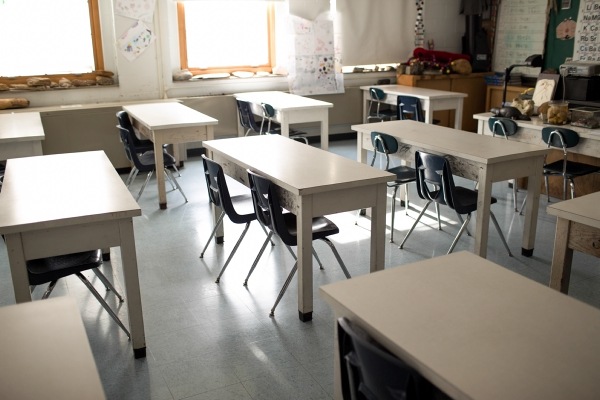
According to the National Fire Protection Association, U.S. fire departments respond to approximately 5,690 fires at education buildings each year. That’s why it’s so important to stress fire safety education in our schools. Take a look at the following school safety tips, and learn how you can teach school fire safety prevention to your children or students.

School fire preparation

Nearly 40% of all school fires are started intentionally. Needless to say, implementing these security measures are vital:
  • Exterior lighting with timers, motion- or daylight-detection sensors
  • Shrubbery and trees trimmed to keep areas around the building unobstructed
  • Intrusion alarms on doors, windows, ventilator openings and roof hatches
  • Trash receptacles stored away from buildings to reduce danger of fire. Locked metal lids for extra protection.
  • Encourage neighbors to alert school personnel to signs of vandalism

Fire safety education

Educating and preparing students for a fire emergency should be a priority.
  • Conduct expected and unexpected monthly school fire drills in which everyone participates
  • Inspect exits regularly to ensure stairways, doors and windows are unblocked and working properly
  • Train students on how to respond to a fire alarm during a school fire drill
  • Know locations of the fire protection system, fire alarm pull stations and sprinklers
  • Make sure every room has a map showing 2 exits
  • Pair students with specific needs to an adult or classmate for extra assistance
  • Have a predetermined location where students know to meet once they exit the building and practice during a school fire drill
  • Have a roster to ensure every student is accounted for
  • Encourage parents to practice home fire drills, and prepare them in the event of a residential fire

College fire safety prevention

These school safety tips focus mostly on elementary, middle and high schools. However, they can also apply to college buildings, where firefighters respond to about 3,810 fires each year – 88% of which are due to cooking mishaps. Here’s a college-level course in fire prevention:

On-campus precautions

  • Cook only in designated areas
  • Keep cooking areas clean and free of clutter
  • Never leave cooking unattended
  • In case of a fire inside a microwave, close the door and unplug the unit

Campus lab precautions

  • Never leave lab experiments or pressure vessels unattended
  • Keep flammable gases and chemicals away from heat

Off-campus precautions

  • Be sure each bedroom has a working smoke alarm
  • Make sure the building sprinkler system is well maintained
  • Building heating and fire-prevention systems need to be checked annually by fire officials

General precautions

  • Identify the 2 closest exits and all possible evacuation routes
  • Know locations of fire alarms and how to use them
  • Report vandalized fire equipment to campus security
Of course school isn’t the only place to promote fire safety education. Check out our fire safety tips for the home and workplace so that you can practice fire safety 365 days a year.