Showing posts with label best insurance richmond. Show all posts

Monday, February 5, 2018

The Benefits of Minimalist Living

Living a minimalist lifestyle with smaller rooms
Accumulating things is just part of life. There are the items we need, and then there are those we don’t really need — but how much is too much? At a certain point, you may feel overwhelmed or crowded by all of your stuff. Your things may cease to have meaning, or worse, you may not be able to locate important items.
If this sounds right, it might be time to adopt a minimalist lifestyle. From a practical standpoint, relinquishing objects can help you de-clutter your living space. It also may have symbolic value, signaling a change in your perspective and priorities in life.

1. Create a minimalist living plan

You’ll have to prioritize the objects you can’t live without and those that are less important. Every room in the house can accumulate clutter. Don’t ignore any opportunity. Remember that you want fewer items.
One great way to get started with a minimalist lifestyle is to formulate a plan to systematically go through your things and determine what you want to keep. It can feel overwhelming to think you need to tackle everything in one day – and you don’t need to. Instead, break each part of the process into steps.
One idea is to set a goal of going through one room a day – or a weekend for larger rooms with more items, like your kitchen. Or, if you have a bunch of boxes to go through, sort one every evening after you get home from work. It can also help to set up a staging area somewhere else in your home; seeing the items outside their “natural habitat” makes it easier to think about their utility. However you declutter, choose the pace that works for you, and remember it’s not a race. It took time to accumulate things, and it can take some time to declutter, too.

2. Artwork and decorative objects

Artwork and ornamental objects can create a richer environment, but they’re not a necessity and can easily clutter a room. They may serve as a good starting point in your minimalist efforts. Keep only what has nostalgic value or that’s meaningful and attractive, and sell or give away the rest. If an art piece is valuable enough, consider donating it to charity.

3. Living with less furniture

Many houses have extra furniture on hand, which can overcrowd the space. Think about taking out pieces, starting with the ones that you simply don’t like anymore or that aren’t essential for your convenience or comfort. If you don’t use it frequently or have a need for it, don’t hesitate to get rid of it. Remember that some charitable services and thrift stores will pick up bulky items you want to donate.

4. Kitchen equipment and utensils

Culinary-minded households acquire kitchen gadgets and utensils quickly. You might like the aesthetics of certain items or want to purchase the latest devices. But too many small appliances and tools, like food processors and blenders, can monopolize your counter and cabinet space. So can those utensils you have doubles or even triples of — there are only so many spatulas, serving spoons or pots that you need.
Look for kitchen items you’re not using frequently or that you have multiples of. If you do an effective job of streamlining your kitchen, you’ll find that this room is easier and more enjoyable to use. This is also a helpful way to prepare for a remodel.

5. Clearing out clothing

It’s not unusual to see bedroom closets and dressers overflowing with clothes. Many of us own extra clothing, and many of us also don’t wear a good portion of our wardrobes. If you’re overstocked, pinpoint the items that you wear most frequently and donate the rest.
With these helpful ideas in mind, it’s easier to begin the de-cluttering process on your path to a more minimalist lifestyle. Whether you’re preparing for a move, cleaning the kids’ rooms after they’ve left for college or looking into adopting minimalist living, a decluttered living space provides contentment and relaxation.
Looking to enjoy even more peace of mind at home? Nationwide’s homeowners insurance coverage can help protect your important belongings, regardless of how minimalist your lifestyle is.

Friday, February 2, 2018

FIRE & BURNS: HOME FIRE DRILL

HAVE YOU PRACTICED WITH YOUR FAMILY?
  

Get out your stopwatches, because it’s time for a two-minute home fire drill. Home fires are more common than many parents realize, but only a fraction of families have an escape plan. Visit HomeFireDrillDay.com to learn fun and memorable ways to teach kids how to escape a home fire in an emergency.

STEPS TO SAFETY


MAKE A PLAN

Draw a floor plan for each floor of your home, including windows and doors. For each room, find two ways out, and label them on your plan. Get started by downloading the worksheet.
Designate one adult to help get babies, young children, or family members who need extra help out safely. Have a back-up plan in case the primary person is overcome by smoke, or is not home.
Decide on a safe meeting place for your family. Make sure it is a safe distance away from the home.

TALK TO YOUR KIDS

Make sure everyone knows what to do and where to go in case of a fire.
Test your smoke alarms once a month, and make sure your child can recognize the sound.
Teach your child to get low and crawl on the ground, where the air is less smoky.
Show your child how to use the back of his hand to check doors for heat before opening. Teach them to use a different way out if the door is hot to the touch.
If your child needs to use an escape ladder, show him where you keep it, and how to use it.
Children can become scared and confused during emergencies, so teach them to never hide from firefighters.
Teach children to NEVER go back inside a burning building. Once they are out, stay out!

DO A HOME FIRE DRILL

Practice your fire escape plan twice a year. Fires can start anywhere in the home and at any time, so run through the plan at different times of the day or night, and practice different ways out.
Use a stopwatch to time how fast everyone can get out and to the specified meeting place. The goal should be under 2 minutes.
Practice feeling the door and doorknob with the back of your hand for heat.
Explain that if they do catch fire, they need to stop, drop and roll.


Monday, January 29, 2018

Nationwide Recognized for Providing Outstanding Retirement Plan Service

DALBAR, the nation’s leading financial services market research firm, has once again honored Nationwide for its outstanding service to retirement plans. This year, Nationwide earned three separate DALBAR awards recognizing the level of service being provided to its retirement plan partners, plan sponsors and participants. The awards earned are:
  • 2017 Plan Participant Service Award for contact center support to plan participants in both public and private sector plans
  • 2017 Recognition for Excellence for telephone support and relationship management through the New Plan Implementation and Conversionsprocesses
  • 2017 Recognition for Excellence for email support and relationship management by the Client Services Team to plan sponsors, third-party administrators and financial advisors
2017 marked the fourth straight year that Nationwide has earned both the Plan Participant Service Award for contact center support and the Recognition for Excellence for email support to plan sponsors and TPAs. This is the third consecutive year that Nationwide has been recognized for telephone support and relationship management for new plan implementation and conversions.
“Nationwide’s focus on the customer experience extends across the life cycle of its retirement plans, from the initial implementation through disbursement,” said Brendan Yeager, DALBAR director.  “Nationwide is committed to providing an award-winning experience to all of its stakeholders, from the financial advisor and third-party administrator to the plan sponsor and, of course, individual participant. The company excels at both transactional interactions through its contact center and at building trust-based relationships with plan sponsors and business partners.”
Wendy Shaw, Nationwide’s vice president of retirement plan operations, said the awards demonstrate Nationwide’s commitment to providing a superior standard of care to retirement plan customers, and its ongoing investments in its people and technology.
“We’ve worked hard to build a culture that’s committed to excellence and continuous improvement,” said Shaw. “Our commitment extends from the plan sponsor or third-party administrator all the way to individual plan participants. It starts from the time a retirement plan comes to Nationwide and carries through to each and every plan sponsor and participant interaction – from their first payroll contribution all the way through retirement. These awards are clear evidence that we are delivering on that promise, and we’re extremely proud of our service leaders and associates who consistently deliver an outstanding experience to our retirement plan clients.”
The recognition of excellence is only awarded to firms that exceed strict standards for communication. The service award is based on systematic testing of customer service throughout the year based on thousands of tests measuring how financial companies respond to the service needs of their customers.
Learn more about how you can begin working with Nationwide’s award-winning retirement planning services to help you prepare for the future.

Monday, January 22, 2018

6 Energy-Efficient Technologies to Make Your Home Greener


Energy efficient technology in the home
Installing energy-saving technology is a great idea, whether you’re moving into a new place or upgrading your current home.
Different devices and types of technology can increase the comfort of your home and help you save money. They can also help you become more environmentally conscious.
There’s an increasing array of devices and software programs that can help you increase your energy efficiency. Below you’ll find 6 ways that you can use green home technology to help the environment and your wallet.
1. Programmable thermostat
A programmable thermostat is easy to install, and you can program it to change the temperature at times when you don’t need as much heating or cooling, including when you’re at work, on vacation or asleep. Some thermostats allow you to control them an app on your phone or on your computer, making it easy for you to change the temperature when you’re not home.

2. Smart home automation systems

Smart home systems integrate and can improve various functions. For example, a smart alarm system combined with cameras or sensors that monitor specific areas can keep your home safer by letting you know via your smartphone when someone is there. Smart thermostats can adjust and control temperature automatically Other programs control lighting with similar precision and efficiency. For example, with some of the latest lighting systems, you can turn off lighting by room or area, or create a schedule for when certain lights should switch on or off. That way, even if someone leaves the lights on in one room, they’ll still turn off at a designated time. Some systems control smart appliances, turning on an oven, for instance, so it’s already pre-heated when you get home; turning off a coffee maker you accidentally left on; or closing a garage door at your command.

3. Energy-efficient windows

Energy-efficient windows can decrease your heating and air conditioning costs. Switching from single-pane to double-pane windows requires an initial investment, but the cost savings will add up as you spend less on energy bills. Older windows allow hot or cold air to escape through cracks, and single-paned designs don’t retain heat or cool air as well. If you aren’t ready to upgrade your windows, you can insulate each window, which can cut some of the air leakage.
Window coverings can also help. By keeping windows shaded on hot days, you can cut down on air conditioning usage. On cold days, keep those same window shades open to allow in natural, warm sunlight.

4. Energy-efficient air conditioners

In addition to using an energy-efficient air conditioner (look for one with an Energy Star rating), energy-savings solutions include closing off air conditioning vents in parts of the home you might not be using. That way, you’re not cooling an area that’s sitting empty, which is a great way to save energy during the summer. Also, consider raising the thermostat temperature a few degrees higher from where you normally set it. A new normal for you might mean lower energy bills, and you’ll still be comfortable. If you’re using a window air conditioning unit, be sure there’s a tight fit so air doesn’t escape out the window.

5. LED lights

Controlling your lighting makes your home more comfortable, makes it easier to see and helps you relax. You can do this with automated systems by changing out some your light bulbs. LED lights use less energy and are cooler when running than traditional incandescent lights, and they also last longer. Swapping out  light bulbs helps your home go green and can save you money in the long run. Consider installing smart bulbs for even more control over your home lighting; these devices pair with a smartphone app, so you can turn them on or off or switch their color remotely.

6. Energy-saving devices

Home appliances including refrigerators, hot water heaters, dishwashers and clothes dryers consume a lot of energy. Consider purchasing energy-efficient appliances with Energy Star ratings if you’re in the market for new appliances or are looking to upgrade. Their energy-saving technology is an easy way to reduce your energy usage.
Are you on a roll with saving energy around your home? Keep up the momentum. Learn even more ways to use green technology to improve the energy-efficiency of your appliances.

Wednesday, May 31, 2017

How to Choose the Best RV Insuranc

RV insurance rates
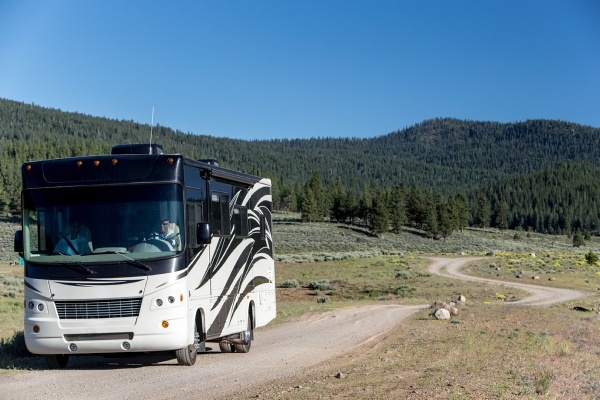
One of the best ways to travel around the country is in a recreational vehicle. RVs are spacious, save you money on hotels, and many come with all the amenities and comforts you need in your day-to-day life.
To ensure that you, your loved ones, your belongings and your RV are protected, you should purchase the best RV insurance that meets all your needs. Aside from the fact that some types of RV insurance coverage are mandatory, you want to find the appropriate coverage and limits that will shield you and your valuables should anything happen. Of course you also want affordable RV insurance rates.
The following are a few things to keep in mind when looking for the best RV insurance:

The types of coverage for your RV

When you’re financing an RV, you’ll most likely have to purchase coverage until your vehicle is paid off. If not financed, you will want to protect your investment with the proper physical damage coverage.
Insurance companies can provide comprehensive coverage, which will cover the costs of accidents that don’t involve other vehicles. This may include a fire or theft.  Collision coverage is for when your RV is damaged in a collision with another vehicle.
There’s also liability insurance, which will assist you with the medical bills for injury to others or property damage done to another vehicle or property you hit.
Another concern is vacation liability, which will cover your liability for any medical expenses or property damage you need during short term use. This applies only when your RV is being used for vacation purposes, such as when you go camping.
You might want to consider buying roadside assistance coverage. When your RV breaks down due to mechanical issues, flat tires or other covered disablements, roadside assistance will come out and get you up and running.

Considerations to take into account

When you’re looking for RV insurance, first decide how you’re going to use your RV and what you’re taking with you. Are you a full timer?  Do you plan to tow your car behind you? Are you going to attach additional objects to your RV, such as a satellite dish or awning?
For full time RVers, there are additional considerations ….
Many providers won’t protect attachments such as satellite dishes and awnings. You’ll have to ask if there is replacement coverage in case these items get damaged. If not, do they at least provide coverage at a depreciated value for these objects?
If you’re towing your vehicle behind your RV, it’s best to insure with the same company for both. Let’s say you’re rear-ended in a collision. Both your car and RV will suffer damage, so do you then want to have to deal with two separate insurance providers? This could cause a lot of headaches for you and your family. You will also want to make sure your equipment to tow that vehicle is covered properly.
Also, you’ll need to look around at your belongings inside your RV and calculate how much they’re worth. If you purchased a television, bed or any other item, keep the receipts and take pictures and/or videos of these items when they’re in your RV. Many companies will only cover a few thousand dollars’ worth of goods. You need to make sure that if you have $15,000 in valuables in your RV, they’re going to be fully covered in case anything happens.
Though you may want to save money in the short run by purchasing cheaper insurance, if anything happens it can cost you down the line. It’s best to buy insurance that will be there when you need it, because the open road is unpredictable.

Finding the best RV insurance rates

You’re committed to purchasing insurance that’s going to cover you if anything happens. However, you still need to save on your RV insurance.
To find the best coverage at the most affordable rates, first go to your current insurance provider. You may already bundle together your homeowner’s and car insurance. Ask about the kinds of discounts available if you take on RV insurance as well.
Before signing on the dotted line, do your research and ask fellow RV owners about their providers. If you don’t know any, go on RV forums and ask experienced owners what to do. Getting feedback from longtime RV owners will be valuable in helping you make a decision.
You’re excited about your RV of a lifetime. Just make sure that you’re protected under any circumstances by investing in the best RV insurance available.