Showing posts with label insurance in richmond. Show all posts

Friday, May 26, 2017

Should I Buy a Convertible?

buying a convertible
Once the weather heats up, every driver wants to roll their windows down and feel that warm breeze. Some may even take it a step further by owning a convertible. But if you’re on the fence about buying one, you may still be wondering, are convertibles safe? Furthermore, since convertibles tend to be slightly pricier, are there enough benefits to justify spending more? The following information about convertibles can help you decide what’s right for your lifestyle.  Read on for a breakdown of the pros and cons of buying a convertible car.

Pros of Buying a Convertible:

  • Visibility. Without a roof and door frames you’ll probably be able to see more around you.  It can be easier to maneuver and park with the wider radius of vision that a top-down convertible offers.
  • Versatility. Most convertibles can easily be transformed back into a coupe or sedan with the push of a button. This versatility allows you to have the best of both worlds – the wind in your hair, but a roof over your head if you hit nasty weather.
  • Style. Most convertible owners love the classic, sporty look of convertibles. If you’re a style enthusiast, the wow factor of convertibles could be a pro.
  • More head room. For tall drivers who have trouble finding cars to suit their height, a convertible can be a comfortable solution.

Cons of Buying a Convertible:

  • Chassis shudder. Without a fixed roof, a car loses a major part of its structural support system, which can lead to what’s called “chassis shudder.” Reinforcements added to a convertible’s undercarriage do not always make up for loss of the roof, leading to particularly rough riding over bumps in the road.
  • Price. Convertibles tend to be $5,000 to $9,000 more expensive on average than comparable sedans or coupes. However, if the car is worth it to you personally, this isn’t necessarily a con.
  • Noise. Even with the top up, convertibles with soft tops can be noisy.
  • Leaks. Roof materials have improved, but not enough to guarantee that water will stay outside. Whether you drive a hard-top or soft-top convertible, heavy rain and snow can still make you susceptible to leaks.
  • Compromised security. Obviously, it’s easier to break into a “rag top” than a sheet of reinforced metal. For a thief, convertibles can be an easy target.
  • Faster aging of the interior. Exposing your skin to the hot summer sun takes its toll, and the same is true of convertible interiors. Seats, dashboards and other surfaces may become sun damaged and cracked over time, though proper maintenance can slow the process.

Are Convertibles Safe?

According to the Insurance Institute for Highway Safety (IIHS), convertibles as a group aren’t more likely to get into crashes. However, some models are more associated with crashes than others. You can look up your dream ride’s insurance-risk “score” on this IIHS tool.
Whether you want to buy a convertible, a sedan or any other type of car, having the right auto insurance coverage is essential to staying safe on the road. Learn more about the benefits of insuring with Nationwide.

Saturday, January 7, 2017

Tips for a Safe Winter Road Trip


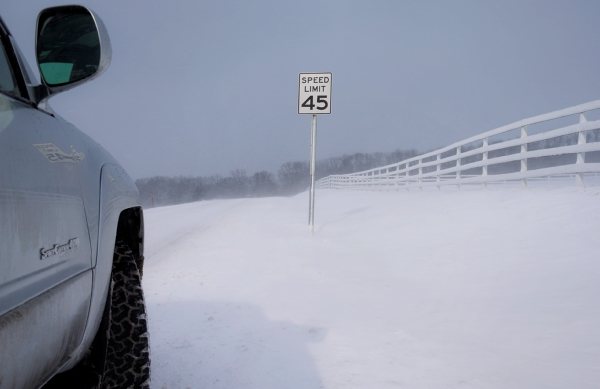
Winter can be a popular time for a road trip, with families visiting friends and relatives for the holidays or driving to the mountains for fun in the snow. It’s also the time of year when road conditions are typically at their worst, requiring extra care before loading up the car and heading out. With some careful planning and cautious driving, though, you can make it safely to your destination.
Cold temperatures and wintry conditions can be tough on a car. You want your vehicle to be in the best working condition possible, which can go a long way toward avoiding trouble on the road.
Start by taking your car in for regular maintenance and service, including changing the oil to a weight, or viscosity grade, best suited for cold weather. A good mechanic will check your belts and hoses and make sure everything is in good shape and free of leaks. Check on whether you have enough coolant as well, and that it’s made for low temperatures.
“One of the most common winter driving woes is underinflated tires,” says Greg Cohen, president & CEO of American Highway Users Alliance. “Before taking a trip, check your tires and make sure they are inflated to the amount described in the driver’s door jamb. Also, check the condition of your wipers, have a full tank of wiper fluid, and check your oil.”
Visibility is vital in wintry weather, so use washer fluid designed for freezing conditions. “Pack an extra jug of winter wiper fluid, a strong flashlight with fresh batteries, and an ice scraper and snow brush,” Cohen says. Avoid driving on icy, slushy, or snowy winter roads, if possible.
It’s advisable to check your battery and get it load-tested. Cold temperatures can sap a weak battery’s ability to start your engine, a predicament you want to avoid. Other items to bring include an emergency road kit with flares or triangle reflectors, jumper cables and a first-aid kit. “Make sure you have at least a half tank of fuel, a bag of road salt, a fully charged mobile phone, a warm coat, winter gloves and hat, and warm clothing in case of a breakdown,” says Cohen.
It’s important to be aware of weather forecasts along your route and to stay on top of weather changes and road closings that can happen suddenly. Learn the different kinds of weather advisories from the National Weather Service. A “winter storm watch” is issued 12 to 48 hours in advance of a storm’s arrival with potential for heavy snow or ice, while a “winter storm warning” means a storm is occurring, or about to occur in your area usually within 36 hours. A “blizzard warning” means winds of at least 35 mph with heavy snow forecast for a period of 3 hours or more.
Once you’re out on the road, “be prepared for changing road conditions along road sections and from one road to the next,” says Cohen. “Expect road conditions to vary depending on the amount of congestion, type of pavement, and frequently changing maintenance jurisdictions. Use caution and steer carefully through turns. Bridges and ramps freeze before roadways, so be sure to avoid sudden speed changes and lane changes.”
The concentration needed for driving in wintry conditions can be exhausting, so stay alert and take plenty of rest breaks.
If possible, avoid driving on roads until they’ve been plowed and de-iced. On roads that have yet to be cleared, slow down, turn off your cruise control, and avoid sudden braking or acceleration and unnecessary stops. If you suddenly feel your tires have lost their grip on the road, stay calm and gently steer in the direction you wish to go without over-correcting. Keep a light touch on the steering wheel; a white-knuckle grip can lead to overreaction and loss of control.
When bad weather strikes while you’re driving, head for a service station or truck stop at the first chance and wait it out. But if you suddenly find yourself stranded on the side of the road, stay calm, put on your hazard lights and call 911. After,  you should also contact your insurance provider, they can provide additional help such as Nationwide’s Roadside Assistance.
“If it is safe to do so, make sure your car is visible to others by carefully placing emergency flares and/or reflective triangles a safe distance behind your car,” says Cohen. “Return to the warmth and safety of your car, call for a tow truck, and stay in your car until help arrives. Remember, the safest thing you can do is to stay in your car, only exiting when absolutely necessary to keep the vehicle visible to other drivers.”
By planning ahead, taking precautions while driving, and following safety steps in the event of a breakdown, your winter road trip can be a trouble-free time on the way to your destination.

Check out the original article right here...