Saturday, January 7, 2017

Tips for a Safe Winter Road Trip


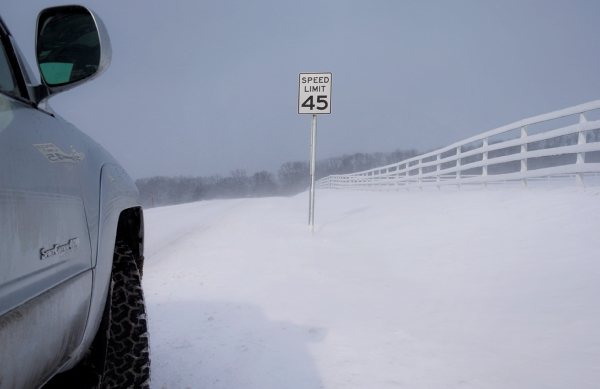
Winter can be a popular time for a road trip, with families visiting friends and relatives for the holidays or driving to the mountains for fun in the snow. It’s also the time of year when road conditions are typically at their worst, requiring extra care before loading up the car and heading out. With some careful planning and cautious driving, though, you can make it safely to your destination.
Cold temperatures and wintry conditions can be tough on a car. You want your vehicle to be in the best working condition possible, which can go a long way toward avoiding trouble on the road.
Start by taking your car in for regular maintenance and service, including changing the oil to a weight, or viscosity grade, best suited for cold weather. A good mechanic will check your belts and hoses and make sure everything is in good shape and free of leaks. Check on whether you have enough coolant as well, and that it’s made for low temperatures.
“One of the most common winter driving woes is underinflated tires,” says Greg Cohen, president & CEO of American Highway Users Alliance. “Before taking a trip, check your tires and make sure they are inflated to the amount described in the driver’s door jamb. Also, check the condition of your wipers, have a full tank of wiper fluid, and check your oil.”
Visibility is vital in wintry weather, so use washer fluid designed for freezing conditions. “Pack an extra jug of winter wiper fluid, a strong flashlight with fresh batteries, and an ice scraper and snow brush,” Cohen says. Avoid driving on icy, slushy, or snowy winter roads, if possible.
It’s advisable to check your battery and get it load-tested. Cold temperatures can sap a weak battery’s ability to start your engine, a predicament you want to avoid. Other items to bring include an emergency road kit with flares or triangle reflectors, jumper cables and a first-aid kit. “Make sure you have at least a half tank of fuel, a bag of road salt, a fully charged mobile phone, a warm coat, winter gloves and hat, and warm clothing in case of a breakdown,” says Cohen.
It’s important to be aware of weather forecasts along your route and to stay on top of weather changes and road closings that can happen suddenly. Learn the different kinds of weather advisories from the National Weather Service. A “winter storm watch” is issued 12 to 48 hours in advance of a storm’s arrival with potential for heavy snow or ice, while a “winter storm warning” means a storm is occurring, or about to occur in your area usually within 36 hours. A “blizzard warning” means winds of at least 35 mph with heavy snow forecast for a period of 3 hours or more.
Once you’re out on the road, “be prepared for changing road conditions along road sections and from one road to the next,” says Cohen. “Expect road conditions to vary depending on the amount of congestion, type of pavement, and frequently changing maintenance jurisdictions. Use caution and steer carefully through turns. Bridges and ramps freeze before roadways, so be sure to avoid sudden speed changes and lane changes.”
The concentration needed for driving in wintry conditions can be exhausting, so stay alert and take plenty of rest breaks.
If possible, avoid driving on roads until they’ve been plowed and de-iced. On roads that have yet to be cleared, slow down, turn off your cruise control, and avoid sudden braking or acceleration and unnecessary stops. If you suddenly feel your tires have lost their grip on the road, stay calm and gently steer in the direction you wish to go without over-correcting. Keep a light touch on the steering wheel; a white-knuckle grip can lead to overreaction and loss of control.
When bad weather strikes while you’re driving, head for a service station or truck stop at the first chance and wait it out. But if you suddenly find yourself stranded on the side of the road, stay calm, put on your hazard lights and call 911. After,  you should also contact your insurance provider, they can provide additional help such as Nationwide’s Roadside Assistance.
“If it is safe to do so, make sure your car is visible to others by carefully placing emergency flares and/or reflective triangles a safe distance behind your car,” says Cohen. “Return to the warmth and safety of your car, call for a tow truck, and stay in your car until help arrives. Remember, the safest thing you can do is to stay in your car, only exiting when absolutely necessary to keep the vehicle visible to other drivers.”
By planning ahead, taking precautions while driving, and following safety steps in the event of a breakdown, your winter road trip can be a trouble-free time on the way to your destination.

Check out the original article right here...

Wednesday, December 21, 2016

How Much Should You Spend on an Engagement Ring?


There can be many factors that influence how much someone spends on an engagement ring. Though traditional standards suggest spending two to three months’ salary on a ring, many couples are now challenging the old rules and taking more personalized approaches.
A recent study estimates the average price of an engagement ring is $5,855. Still, there are no set rules. How much you should spend on an engagement ring will largely be dictated by your financial situation and what kind of ring your partner wants.
If you find yourself part of the average that can afford a $6,000 ring, then you will likely be looking for rings that meet certain standards of quality when it comes to the cut, color, clarity and carat weight, often referred to as the 4Cs grading system. At this price point, you will also be looking at a ring that has a carat weight of about 0.9 carats, the average carat weight for a purchased engagement ring in 2015.
Engagement rings with higher diamond grades usually have a greater carat weight and they are flawless. These rings have a tendency to be of rare quality and more expensive. In fact, rings of this quality can be the most expensive engagement rings you can buy, selling for between $500,000 and $8 million dollars.
Staying within your budget and purchasing something that can be treasured for years to come can be tricky, but there are different strategies available to you. Jewelry specialists often recommend buying a ring that’s just under the pricing plateau that’s higher than you want to go. So instead of a full carat ring, which sells at a premium rate, buy a 0.9 carat ring. These types of non-standard weights can reduce the cost of a ring significantly and with little noticeable difference in appearance.
Finally, if you are looking for something inexpensive but still stylish, a cubic zirconia engagement ring is a good option. For many it can be hard to distinguish between fake and real diamonds, and the difference in price is significant.
How much you spend on an engagement ring, whether it’s in a store or from an online retailer, will obviously be based on your personal financial situation. But with so many classes of rings out there, it’s possible to find something that you and your beloved really like that suits your budget, too.
Buying an engagement ring is the first of many decisions you’ll make when planning a wedding. Make sure to protect your special day with wedding insurance, which provides liability coverage and helps protect you from financial loss if you have to cancel or reschedule.

Monday, December 12, 2016

Buying Experiences vs. Things

Americans Buy ‘Experiences’ Instead of ‘Things’

Buying Experiences
As the U.S. economy continues its slow but steady improvement since the Great Recession — with joblessness currently at its lowest rate since 2008 — Americans are showing a greater willingness to spend. However, studies and market trends indicate their spending priorities are changing.
Instead of buying more things, Americans are preferring to purchase new “experiences.” The couple that might have added new items to their wardrobes in the past are now saving for a rock-climbing trip. Rather than buying a necklace for a birthday present, a spouse or partner may now decide to splurge on a special evening out.
Savvy business owners are taking advantage of this trend by adding “experiences” to their offerings or by augmenting their products and services with fun things to do.

Spending switch is on

According to the Mintel research firm, the greatest gains in U.S. consumer spending from 2015 to 2019 are expected to be in the “nonessential” category, where a 26 percent increase is projected for spending on experiences such as vacations, entertainment and dining out. Total U.S. consumer spending for that same period is projected to grow 22 percent..
The start of this trend could be spotted in 2014, when December’s monthly sales at restaurants exceeded grocery store sales for the first time in history. That trend has continued, according to Annika Stensson, director of research communications for the National Restaurant Association. “Restaurant sales continue to outpace grocery-store sales as consumers seek the convenience, quality and service provided by restaurants,” Stensson said.
A study by the PricewaterhouseCoopers accounting firm attributed much of the spending switch to millennials — people born in the 1980s and 1990s — who are more likely than baby boomers to spend their earnings on travel and other experiences. In the 2015 holiday season, for example, the millennials surveyed said 52 percent of their holiday spending would be for experiences such as travel and entertainment, while baby boomers expected to spend 39 percent on such experiences.

More services and experiences

A recent B2B International survey of senior marketing executives found 58 percent were making value marketing their top priority, up from 39 percent in 2015. That change reflects a shift toward providing more customer service and experiences, and a reduction in the steep discount pricing of recent years.
Target, for example, recently partnered with SoulCycle to produce a line of fitness clothing, and the partnership included putting wellness shops and free spinning classes in some stores. Lululemon stores not only sell yoga pants and equipment but also offer in-store yoga classes, group exercise activities and trips to international yoga festivals and retreats. Clothing retailers such as Talbots are holding in-store fashion shows and styling sessions to attract more interest.
“Retailers have had to look to ways to drive shopper traffic into stores and enhance the in-store shopping experience,” said Pam Goodfellow, consumer insights director and principal analyst for Prosper Insights & Analytics. “Shoppers are increasingly multitasking and time starved, and are shopping online due to convenience, low prices, and free shipping. In-store experiences are retailers’ attempts to divert this digital attention back into physical retail locations.”
Because consumers are able to go online and use mobile devices to instantly compare prices, Goodfellow said, shopper loyalty has suffered and businesses have had to work harder at “offering shoppers that little something extra” to differentiate themselves and to win loyalty.
“Shopper experience seems to be an extension of customer service,” Goodfellow said. “Customer service never goes out of style.”

Sunday, December 4, 2016

Prepping your business for Winter


6 tips for staying ahead of the storm
Nov 15, 2016 | By Wayne Maynard, Fred Sanford

Following these tips can help your clients prevent costly losses in dangerous winter weather.  With winter on the way, the promise of snow and freezing temperatures looms for many businesses — along with risks of slips and falls, burst pipes, service interruptions, and more. Companies that have a good understanding of winter-related exposures and take proactive measures to mitigate them are better positioned to protect the public and their employees and properties and manage their total cost of risk.

Following these six tips can help your clients prevent costly losses.

When treating outdoor areas, not all de-icers are created equal.
During cold weather, using de-icers on outside areas like parking lots and sidewalks can reduce slips, trips, and falls. De-icers can vary by price, corrosiveness, and effectiveness. A business should consider weather conditions and the application area when choosing one. For example, sodium chloride (rock salt) is inexpensive, but corrosive to concrete and less effective at lower temperatures. Ice melt blends (magnesium chloride or calcium chloride) are more effective at lower temperatures, but also more expensive. Proper application is also important. Melting snow can re-freeze overnight, so treat areas first thing in the morning, prior to the arrival of employees and visitors.

Don’t forget about the entryways (all of them)
The risk of slips and falls does not end once someone enters a building. Snow, ice, sand, and salt tracked in from outside can create hazards in entryways. Businesses should keep these areas clean and dry and use matting to absorb moisture to help mitigate these risks. An entryway’s size, flooring type, and traffic volume can affect the housekeeping schedule, floor mat length, and how often a mat should be replaced. Review plans to ensure they address each entryway.

Even dry pipe sprinkler systems can “freeze-up”
As the name implies, dry pipe sprinklers contain pressurized air that is replaced with water only once the system is activated by heat. Even these systems are susceptible to freeze-ups and are the cause of many winter-related losses. Transient water or condensation from the air within the system can build up and freeze during cold weather, causing damage to steel pipes and fittings. To minimize this risk, business owners should make sure systems are properly installed, with pipes sloped so water collects at low points, and that pipes are drained on a quarterly basis. 

Burst pipes can lead to significant damage and safety issues
Freeze-ups in piping typically occur in areas that are not adequately heated or insulated, such as in vacant buildings, near drafty windows, or in attics. Adding insulation can help, but if pipes do freeze up and burst, they are not only costly to fix, they could lead to extensive damage if water is not quickly turned off at the main source. It’s important that responsible personnel know the location of water shut-off valves (and how to use them) to minimize damage. If sprinkler systems are impaired as a result, a business should contact its insurance partners and local fire department to alert them of the potential hazard. 

Winter preparedness is everyone’s responsibility 
When preparing for winter weather, everyone — from housekeeping staff and front-line employees to managers and interns — bears some responsibility. Each party should clearly communicate its role, responsibilities, and expectations when it comes to maintenance and safety. For example, who is responsible for keeping hallways dry and clean? Are workers careful to put excess snow in areas that do not block fire exits, vents, or drains? Employees should know whom to contact when confronting a hazard.

Your insurance partners can boost your efforts
A knowledgeable insurer can help you offer expertise and support to clients putting their winter plans in place. An insurer may provide pre-season preparation guides and more timely communications right before a storm that review maintenance procedures. If your clients are building new locations or renovating their current spaces, your carrier may be able to offer guidance on entryway designs, flooring material, and more that can help reduce the risk of injuries.
As with most hazards, an ounce of winter weather risk prevention is worth a pound of cure. Knowledge, communication, and support from the right partners can save businesses time — and money — when winter arrives.

Monday, November 28, 2016

Car Dashboard Lights - What Do They Mean?

Know What Your Car Dashboard Lights Are Telling You


dashboard symbols
Today’s cars have many different dashboard lights designed to alert drivers to possible problems and to make sure you can take care of those problems quickly.
Here’s a quick guide to common dashboard warning lights and car symbols.

Check engine

In newer cars, the lit icon will look like an engine. It means the vehicle’s computer has triggered a diagnostic trouble code indicating there’s an issue. If it occasionally turns on and off, it’s an intermittent problem and you’ll just want to have it checked next time you take it in for maintenance.
However, if it stays on, it means there’s an ongoing problem – though it could be as simple as the gas cap not being closed tightly. If the problem continues, get the engine checked out. If the light flashes rapidly, the problem may be serious and you should get to a repair shop immediately.

Low tire pressure light

This dashboard light looks like a tire with an exclamation point in it and means that at least one of your tires is underinflated. You’ll want to check your tire’s air pressure immediately.

TPMS

This dashboard light stands for Tire Pressure Monitoring System and when it comes on, there’s a problem with the monitoring system – probably a failed sensor in one of the wheels. Some people mistakenly believe this means the air pressure is low in the tires, but the TPMS is responsible for keeping track of air pressure in the tires; when it notices a tire is low, it triggers the low tire pressure light. If the TPMS light remains on, have the sensors checked during regular maintenance – and never rely solely on warning signals. You still should check your tire pressureonce a month.

Oil pressure

If you see a dashboard light that looks like an oil can, you need to pull over at the nearest gas station. This light signals the loss of oil pressure, and you need to check to make sure you aren’t losing oil.

Coolant temperature

A warning dashboard light that looks like a thermometer means the engine’s temperature is beyond the normal limits, and it should be checked immediately to keep your car from overheating. You’ll want to check the coolant level and make sure the radiator cap is properly sealed as well as look for coolant leaks. Always allow time for the engine to cool down before checking the coolant level, however, to avoid getting burned.

Battery/charging

When the dashboard light that looks like a battery comes on, your voltage level is below normal. It means the vehicle’s charging system isn’t functioning properly, so you need to have the battery terminals and alternator belt checked. If it’s an older battery, you may need to replace it.

Brake system

The dashboard light that looks like a circle inside a set of parenthesis with an exclamation point in the middle represents your brake system – and if it comes on while driving, you need to pay immediate attention to it. It could be triggered by driving with the parking brake on, but it can also mean you’re losing brake fluid.
If it comes on and off intermittently, and you don’t notice a change in braking ability, you should get it to a repair shop as soon as possible. But if it stays on there’s a problem that needs to be taken care of immediately, and you should have it towed to a repair shop.
In the case that you do need to go to a repair shop and have work done, make sure you have the best coverage. Learn more about how Nationwide auto insurance can protect you and save you money.