Showing posts with label best insurance agents richmond. Show all posts

Friday, February 16, 2018

4 Easy Tips to Declutter Your House

declutter your home

Are you looking to declutter your life? The best place to start is with your home.
Piles of stuff can make you feel boxed in, and purging your house of unnecessary objects can improve your outlook and make it easier to enjoy spending time around the house, whether you just a neater space or are in the process of downsizing. But decluttering a home can feel daunting unless you have a plan.
You may want to tackle small tasks first, build a sense of accomplishment and then move on to bigger projects. You may even want to set several goals. Whatever you decide, here are four ways to get started on decluttering.

1. Use a four-bin system

To start eliminating clutter, go through your home room by room with four bins: keep, toss, donate and store. In the “keep” bin you’ll put items you want to keep but need to put in a new place. The “toss” bin goes to the garbage, the “donate” bin receives items other people can use and the “store” bin is for those things that you don’t use frequently but want to keep.

2. Clear flat surfaces in the kitchen

Clear off flat surfaces in your kitchen, including your countertops, tables and more obscure spots like the top of your refrigerator and microwave.
You’ll want to remove everything that you don’t use on a daily basis. File the pile of bills and other papers. Consider placing a toaster you use once a month in a cupboard and paring down the dozen cookbooks you’ve been keeping on top of the refrigerator to just your favorites.

3. Declutter bedroom closets

Bedroom closets tend to be a catchall. Many people toss what they don’t need or don’t have time to hang up into their closets. Take some time to organize and determine what you no longer wear or use.
One possible strategy: Remove everything from your closet shelves, wipe them down and then make decisions about what to do with various objects before you start replacing things.
If you haven’t worn something in your closet for a year or more, consider placing it in the Donate bin. Be decisive, but don’t be afraid to hang on to a few key sentimental pieces if they mean a lot to you, either.
4. Free the entryway
When you first walk into your home, do you trip on a pile of shoes? Are dozens of coats piled on a table? If your entryway is cluttered, it makes your house feel unkempt. Coat and shoe racks can solve this problem. You might also make a rule to limit shoes and coats to those needed for a season, the rest can be stored away too.
If you’re decluttering in a hurry, be sure to check out these quick house cleaning tips.
When your home is decluttered, it’s even easier to enjoy spending time in this peaceful, relaxing space. Find a homeowners insurance policy that’s tailored to your unique needs to increase your peace of mind even further.

Monday, January 29, 2018

Nationwide Recognized for Providing Outstanding Retirement Plan Service

DALBAR, the nation’s leading financial services market research firm, has once again honored Nationwide for its outstanding service to retirement plans. This year, Nationwide earned three separate DALBAR awards recognizing the level of service being provided to its retirement plan partners, plan sponsors and participants. The awards earned are:
  • 2017 Plan Participant Service Award for contact center support to plan participants in both public and private sector plans
  • 2017 Recognition for Excellence for telephone support and relationship management through the New Plan Implementation and Conversionsprocesses
  • 2017 Recognition for Excellence for email support and relationship management by the Client Services Team to plan sponsors, third-party administrators and financial advisors
2017 marked the fourth straight year that Nationwide has earned both the Plan Participant Service Award for contact center support and the Recognition for Excellence for email support to plan sponsors and TPAs. This is the third consecutive year that Nationwide has been recognized for telephone support and relationship management for new plan implementation and conversions.
“Nationwide’s focus on the customer experience extends across the life cycle of its retirement plans, from the initial implementation through disbursement,” said Brendan Yeager, DALBAR director.  “Nationwide is committed to providing an award-winning experience to all of its stakeholders, from the financial advisor and third-party administrator to the plan sponsor and, of course, individual participant. The company excels at both transactional interactions through its contact center and at building trust-based relationships with plan sponsors and business partners.”
Wendy Shaw, Nationwide’s vice president of retirement plan operations, said the awards demonstrate Nationwide’s commitment to providing a superior standard of care to retirement plan customers, and its ongoing investments in its people and technology.
“We’ve worked hard to build a culture that’s committed to excellence and continuous improvement,” said Shaw. “Our commitment extends from the plan sponsor or third-party administrator all the way to individual plan participants. It starts from the time a retirement plan comes to Nationwide and carries through to each and every plan sponsor and participant interaction – from their first payroll contribution all the way through retirement. These awards are clear evidence that we are delivering on that promise, and we’re extremely proud of our service leaders and associates who consistently deliver an outstanding experience to our retirement plan clients.”
The recognition of excellence is only awarded to firms that exceed strict standards for communication. The service award is based on systematic testing of customer service throughout the year based on thousands of tests measuring how financial companies respond to the service needs of their customers.
Learn more about how you can begin working with Nationwide’s award-winning retirement planning services to help you prepare for the future.

Friday, January 26, 2018

7 Ways to Teach Kids How to Save Money


Starting early can make a world of difference when it comes to teaching children to save and make sound financial decisions.
Luckily, there are simple ways to teach kids about money and help youngsters learn smart saving techniques. Here are some approaches to teaching children the valuable art of saving.

1. Teach kids about money with actual money 

In a world where anything can be purchased with the swipe of a card or typing of a password, the simple reality of cash can help teach the value of a dollar. That’s why using physical currency can be a smart way to teach kids about money. Counting coins and bills can also help preschoolers with hand-eye coordination and math skills.

2. Give an allowance

Giving children their own money is a good way to start teaching them how to save. Kindergarten is a great age to start a weekly or monthly allowance. A good rule of thumb is to pay $1 for every year of their age, so the incentive grows as they do. Make sure the allowance is based on completed chores, though. That way, kids understand that money is earned.

3. See the savings

Using a clear container as a bank can help give kids a sense of accomplishment watching the coins and dollars stack up. Make goals visible by marking a line on the side of the container as a target to reach. Not only does this teach children about saving, it makes reaching goals exciting and fun!

4. Teach children to allocate their savings

To introduce money management, as well as delayed gratification and charity, encourage your child to divide their money into three piles: savings, spending and sharing. You can do this online with the website Threejars.com, where kids can track their earned allowance and even earn interest on savings.

5. Set saving goals

Help your child develop savings targets to make sure savings isn’t an open-ended concept. The first goals should be reachable, fun and defined by both the parent and child. Sure, it may seem silly to save for a small toy, but the sense of achievement is worth it.

6. Teach kids about saving money in a bank account

As your child matures and has accumulated at least $100 in long-term savings, look into a bank savings account. Most major banks offer children’s savings accounts that can be opened online or at a local branch. A trip to the bank may be a new and fascinating experience for your child, inspiring a sense of maturity and financial responsibility. It’s also a great time to teach kids about other money concepts, like interest and risk.

7. Have conversations about saving

The best tool for money management is conversation. Parents should talk to their kids about money matters like budgeting and investing. Aim to mirror good money behaviors, but remember it’s also okay to admit to your own money mistakes.
Show your kids what smart money management is. Visit Nationwide Bank for information on banking, investing and more.

Wednesday, May 31, 2017

How to Choose the Best RV Insuranc

RV insurance rates
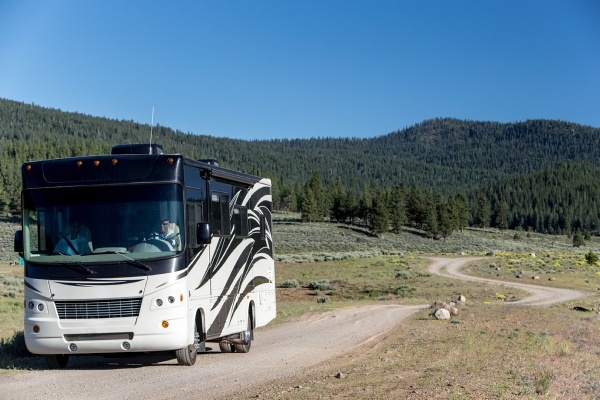
One of the best ways to travel around the country is in a recreational vehicle. RVs are spacious, save you money on hotels, and many come with all the amenities and comforts you need in your day-to-day life.
To ensure that you, your loved ones, your belongings and your RV are protected, you should purchase the best RV insurance that meets all your needs. Aside from the fact that some types of RV insurance coverage are mandatory, you want to find the appropriate coverage and limits that will shield you and your valuables should anything happen. Of course you also want affordable RV insurance rates.
The following are a few things to keep in mind when looking for the best RV insurance:

The types of coverage for your RV

When you’re financing an RV, you’ll most likely have to purchase coverage until your vehicle is paid off. If not financed, you will want to protect your investment with the proper physical damage coverage.
Insurance companies can provide comprehensive coverage, which will cover the costs of accidents that don’t involve other vehicles. This may include a fire or theft.  Collision coverage is for when your RV is damaged in a collision with another vehicle.
There’s also liability insurance, which will assist you with the medical bills for injury to others or property damage done to another vehicle or property you hit.
Another concern is vacation liability, which will cover your liability for any medical expenses or property damage you need during short term use. This applies only when your RV is being used for vacation purposes, such as when you go camping.
You might want to consider buying roadside assistance coverage. When your RV breaks down due to mechanical issues, flat tires or other covered disablements, roadside assistance will come out and get you up and running.

Considerations to take into account

When you’re looking for RV insurance, first decide how you’re going to use your RV and what you’re taking with you. Are you a full timer?  Do you plan to tow your car behind you? Are you going to attach additional objects to your RV, such as a satellite dish or awning?
For full time RVers, there are additional considerations ….
Many providers won’t protect attachments such as satellite dishes and awnings. You’ll have to ask if there is replacement coverage in case these items get damaged. If not, do they at least provide coverage at a depreciated value for these objects?
If you’re towing your vehicle behind your RV, it’s best to insure with the same company for both. Let’s say you’re rear-ended in a collision. Both your car and RV will suffer damage, so do you then want to have to deal with two separate insurance providers? This could cause a lot of headaches for you and your family. You will also want to make sure your equipment to tow that vehicle is covered properly.
Also, you’ll need to look around at your belongings inside your RV and calculate how much they’re worth. If you purchased a television, bed or any other item, keep the receipts and take pictures and/or videos of these items when they’re in your RV. Many companies will only cover a few thousand dollars’ worth of goods. You need to make sure that if you have $15,000 in valuables in your RV, they’re going to be fully covered in case anything happens.
Though you may want to save money in the short run by purchasing cheaper insurance, if anything happens it can cost you down the line. It’s best to buy insurance that will be there when you need it, because the open road is unpredictable.

Finding the best RV insurance rates

You’re committed to purchasing insurance that’s going to cover you if anything happens. However, you still need to save on your RV insurance.
To find the best coverage at the most affordable rates, first go to your current insurance provider. You may already bundle together your homeowner’s and car insurance. Ask about the kinds of discounts available if you take on RV insurance as well.
Before signing on the dotted line, do your research and ask fellow RV owners about their providers. If you don’t know any, go on RV forums and ask experienced owners what to do. Getting feedback from longtime RV owners will be valuable in helping you make a decision.
You’re excited about your RV of a lifetime. Just make sure that you’re protected under any circumstances by investing in the best RV insurance available.